
 Time and precision need to be accounted for in a roller coaster project to correctly build and
design the coaster. Bad consequences
resulting from inadequate planning like injury and possibly death of riders have to be avoided at all costs. To
avoid these situations the team working on the coaster follows the ethics they
are supposed to and abides to the codes of Engineering. Also, not only is the
coaster melodically and specifically designed in the beginning but all rides
generally have daily and year inspections that must be performed.
Time and precision need to be accounted for in a roller coaster project to correctly build and
design the coaster. Bad consequences
resulting from inadequate planning like injury and possibly death of riders have to be avoided at all costs. To
avoid these situations the team working on the coaster follows the ethics they
are supposed to and abides to the codes of Engineering. Also, not only is the
coaster melodically and specifically designed in the beginning but all rides
generally have daily and year inspections that must be performed.
While producing and bringing to life a roller coaster, Mechanical
Engineers must abide by the ethics of Engineering. This is just part of the
code found on, http://www.nspe.org/resources/ethics/code-ethics,
“I. Fundamental Canons
Engineers, in the fulfillment of
their professional duties, shall:
- Hold paramount the safety, health, and welfare of the public.
- Perform services only in areas of their competence.
- Issue public statements only in an objective and truthful manner.
- Act for each employer or client as faithful agents or trustees.
- Avoid deceptive acts.
- Conduct themselves honorably, responsibly, ethically, and lawfully so as to enhance the honor, reputation, and usefulness of the profession.”
Each and every one of these canons must be followed by all Engineers,
including Mechanical Engineers who are involved with the making of roller
coasters. These canons oversee the production of roller coasters. For example #5, "Avoid deceptive acts." A team of Engineers would not find it beneficial to anyone designing a roller coaster that is marginally close to the set standards of production. To avoid the design from being questionable, having enough cushion room within the plans are essential.
Ethics are definitely involved with the production of roller
coasters and the teams of Engineers has the safety of the rides as a top
priority. Teams meet the requirements then decide how much is too much for a rider who will be riding their coaster. The chances of an injury, let alone death is so significantly small
when following all the rules, guidelines, and suggestions for riding a roller
coaster.
Summer is just around the corner, amusement parks are
opening soon. Get ready to go ride some coasters and experience a thrill of FUN!
Blog inspired by this article.
http://www.google.com/url?sa=t&rct=j&q=&esrc=s&frm=1&source=web&cd=3&ved=0CD0QFjAC&url=http%3A%2F%2F136.142.82.187%2Feng12%2FAuthor%2Fdata%2F2147.docx&ei=sT9MU-XgMaGF2QXWnIHYAQ&usg=AFQjCNGOLzVGKk1d-BaXWbGKknbDOLRReg&bvm=bv.64542518,d.b2I
Pictures
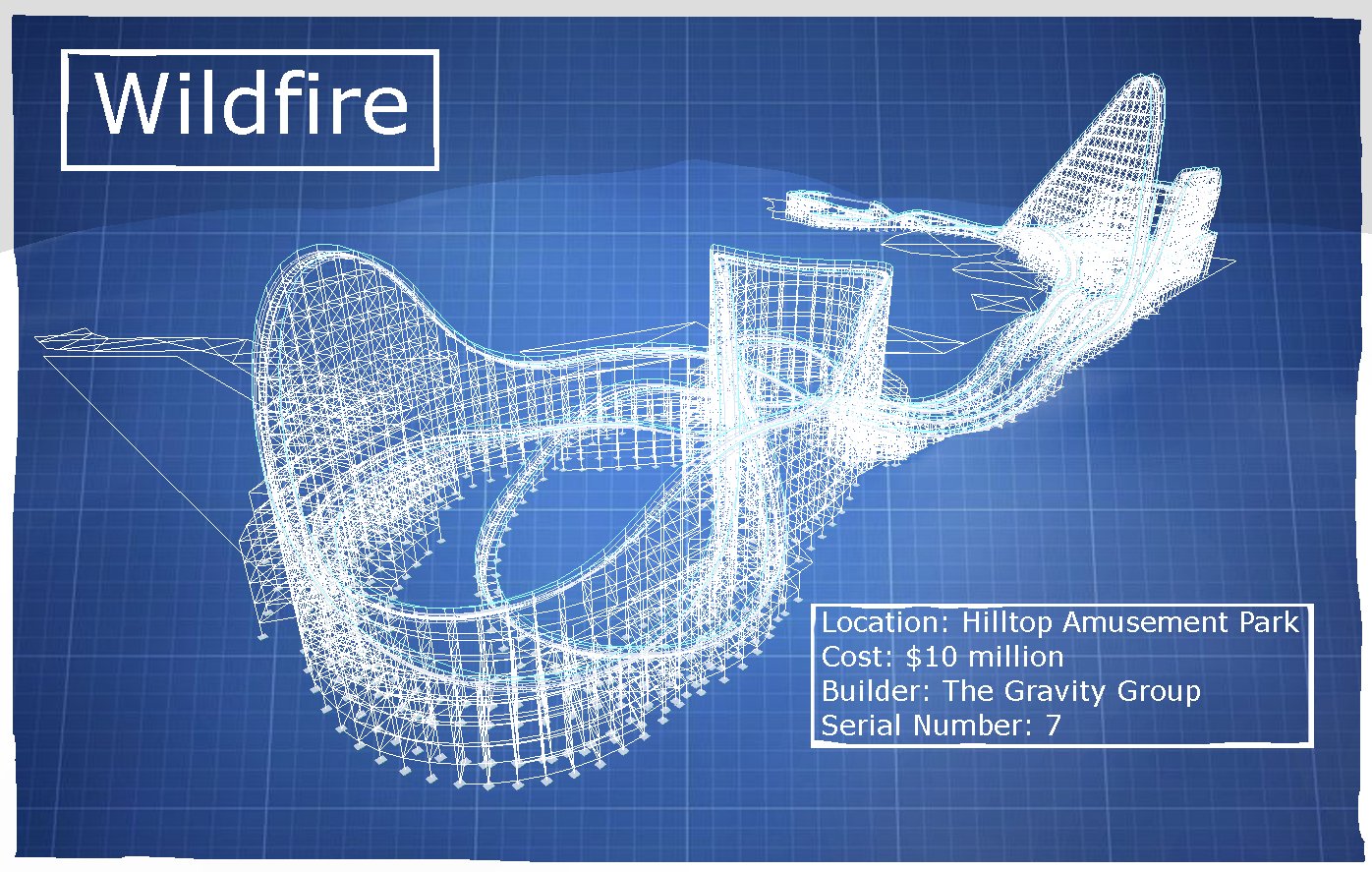
http://www.coastercrazy.com/forum/file_attachments/Jonny%20Richey/2009122223511_Wildfire%20Blueprints.jpg,http://www.thecoastercritic.com/wp-content/uploads/2011/05/Busch-Gardens-Williamsburg-2012-Verbolten-Roller-Coaster-300x168.jpg,http://javatoolbox.org/wp-content/uploads/2013/01/roller-coaster.jpg,https://www.cedarpoint.com/images/rides/maverick_airtime1.jpg

http://www.coastercrazy.com/forum/file_attachments/Jonny%20Richey/2009122223511_Wildfire%20Blueprints.jpg,http://www.thecoastercritic.com/wp-content/uploads/2011/05/Busch-Gardens-Williamsburg-2012-Verbolten-Roller-Coaster-300x168.jpg,http://javatoolbox.org/wp-content/uploads/2013/01/roller-coaster.jpg,https://www.cedarpoint.com/images/rides/maverick_airtime1.jpg



I like how you put the code of ethics that you have to follow. I like roller coasters and think they are very entertaining. As an engineer i believe that the code of ethics is the best thing to live by in a professional career.
ReplyDeleteVery interesting topic for the ethical post, I really liked it. It's very interesting to think how much precision goes into the making of a roller coaster. It has to be safe and fun at the same time and that ties in perfectly with the ethics of engineering.
ReplyDelete